
Staying comfortable on the hill isn’t about wearing “more” — it’s about wearing “smart”. Layering is the simple system that lets you regulate body temperature as the weather, terrain, and your effort level change. Thin layers trap warm air, move moisture away from the skin, and can be added or removed without fuss. On a long day out, this flexibility is what keeps you steady, safe, and thinking clearly.
Why Layering Matters in the Peaks
The Peak District is famous for giving you all four seasons in a single walk. A cold start at Surprise View can turn into a sweaty climb up Higger Tor, followed by a breezy ridge where the wind cuts straight through damp clothing. Layering gives you control in those moments — instead of reacting to discomfort, you stay ahead of it.
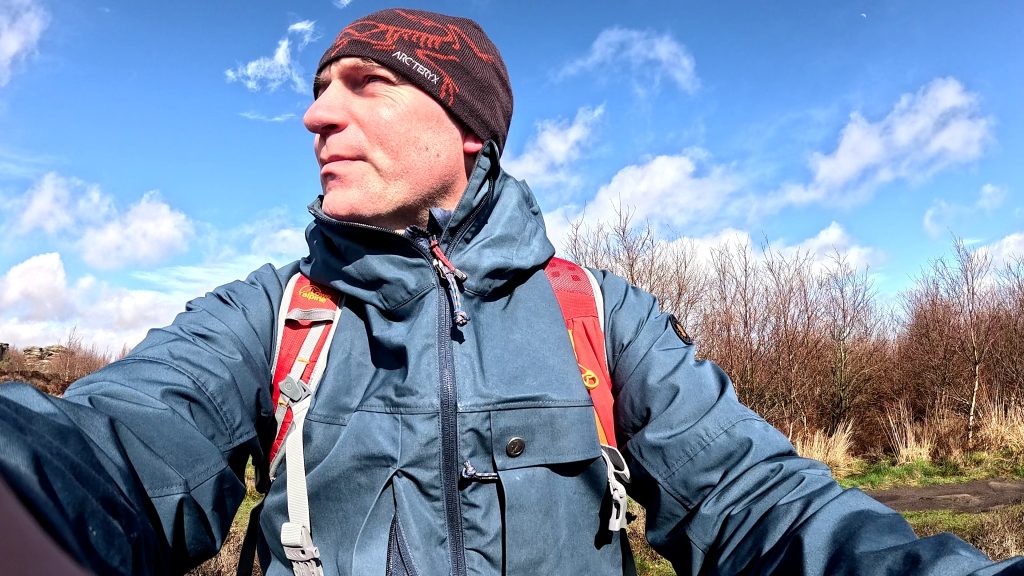
What’s your ‘Three-Layer System’?
1. Base Layer — Your Foundation
This is the layer that sits next to your skin. Its job is simple: move moisture away so you don’t get clammy or chilled when you stop.
- Merino wool has been a real step forward. It’s light, strong, naturally odour-resistant, and keeps working even when damp.
- Synthetic options dry quickly are lightweight and are budget-friendly, but can feel “sweatier” on long days.
- Cotton t-Shirts, although cheaper, can feel really cold when you stop walking if sweaty too and take quite a time to dry.
A good base layer is the difference between feeling fresh at the top of Win Hill or shivering the moment you pause.
2. Mid Layer — Your Warmth
This is your insulation. It traps warm air without weighing you down.
- Fleece is reliable, breathable, and handles drizzle well.
- Lightweight synthetic jackets add warmth without bulk.
- Merino mid-layers offer warmth with less “boil-in-the-bag” feeling on climbs.
Think of this layer as your “steady state” warmth — the one you’ll wear most of the day.
3. Outer Layer — Your Shield
This is your protection from wind and rain.
- A waterproof shell keeps the weather out.
- A windproof softshell is great for dry, blustery days on Kinder or Stanage.
- Pit zips, adjustable cuffs, and hoods help you fine-tune comfort.
Your outer layer isn’t about being cosy — it’s about staying functional when the weather turns.
How to Use the System on the Hill
Layering isn’t a fashion choice; it’s a decision-making tool.
- Start cool. If you’re warm in the car park, you’ll overheat on the first climb.
- Adjust early. Remove a layer before you sweat; add one before you chill.
- Think ahead. If you’re about to hit a windy ridge, add a layer before you get cold.
- Stay dry inside and out.– Lots of jackets have vents remember to use them, these features are good for stopping perspiration build-up on the inside of jackets. Damp clothing drains heat fast.
This is where PEAKS comes in — Safety and Environment overlap here. Good layering keeps your thinking clear, your energy steady, and your day enjoyable.
A Quick Scenario
You’re climbing out of Edale towards the Nab. Halfway up, you feel yourself sweating under your jacket. Decision moment:
- Stop for 20 seconds.
- Remove the mid layer or open vents.
- Carry on comfortable, instead of soaking your base layer and getting chilled on the ridge.
Small adjustments. Big difference.
Closing Thought
Layering isn’t about buying more kit — it’s about understanding how your body and the weather interact. When you get it right, you move more freely, think more clearly, and enjoy the hills with that calm, steady confidence Peaks Compass is all about.
Longer Scenario: The Quiet Walker at Lunch
It’s a cold winter day on the moors above Ladybower. The morning has been bright, breezy, and surprisingly cheerful — the group has been chatty, spirits high, and the pace steady. You’ve stopped for lunch in a sheltered hollow just below the ridge. People are eating, adjusting layers, and enjoying the break.
As you look around, you notice one member of the group — someone who was lively and talkative all morning — has gone very quiet. They’re sitting slightly apart, shoulders hunched, gloves off, and they’re shivering. Their face looks pale, and they’re eating slowly, almost mechanically.
This is your decision moment.
What You’re Assessing
You’re trying to work out whether this is:
- Cold stress (poor layering, damp base layer, wind chill)
- Low energy (not eating enough, blood sugar dip)
- Low mood (overwhelmed, anxious, withdrawing)
- Early signs of hypothermia (the quietness + shivering combination is a red flag) – (attend a recognised first aid course to explore more about hypothermia)
The key is to approach with warmth, not alarm, and gather information through conversation and observation.
How You Start the Conversation
You crouch or sit beside them — same eye level, relaxed posture.
“Hey, just checking in — how’s your head feeling after the morning?”
This phrasing is deliberate. It’s open, non-judgemental, and invites them to talk about physical sensations rather than emotions straight away.
If they shrug or say “I’m fine”, you gently continue:
“I noticed you’ve gone a bit quiet and you’re shivering. That can happen after a stop on a cold day. Are you feeling cold, tired, or something else?”
You’re giving them options — this helps people articulate what they’re experiencing.
What You Observe While They Answer
You’re looking for:
- Are their hands shaking?
- Are they fumbling with food or zips?
- Is their speech slower than earlier?
- Are they wearing a damp base layer from sweating on the climb?
- Is their mid layer compressed or too thin for the conditions?
- Are they avoiding eye contact or looking overwhelmed?
These clues help you decide whether this is layering, energy, or mood.
Your Next Steps (Depending on What They Say)
If they say they’re cold
- Ask them to stand and move gently while you help them add a warm layer.
- Check if their base layer is damp — if so, swap it for a dry spare if available.
- Get a warm drink into them.
- Move the group on sooner rather than later to generate heat.
If they say they’re tired or low on energy
- Encourage them to eat something sugary first, then something slow-release.
- Check how much they’ve eaten and drunk today.
- Plan a slightly slower pace for the next section.
If they hint at low mood or overwhelm
- Keep the conversation private and calm.
- Ask simple grounding questions:“What’s been the hardest part of the morning for you?”
- Reassure them that dips are normal on winter days.
- Pair them with a supportive walker for the next leg.
If they seem confused, very cold, or unusually quiet
This could be early hypothermia territory.
- Add insulation immediately.
- Shield them from wind.
- Give warm, sugary drinks.
- Shorten the route or plan an exit.
Why This Scenario Matters
This is a classic winter hill situation: someone who looked fine 30 minutes ago is suddenly not fine at all.
It teaches :
- Notice subtle behavioural changes
- Use conversation as a diagnostic tool
- Understand how layering interacts with effort, sweat, wind, and stops
- Make calm, early interventions before things escalate
- Balance group needs with individual care
This kind of scenario builds real leadership confidence.