
Hydration on the Hill (S)
Staying steady, aware, and ahead of the day.
Hydration is one of those quiet decisions that shapes the whole walk. You rarely notice when you’re doing it well — but you feel it quickly when you’re not. Just like layering or route‑finding, drinking enough is part of the ongoing risk assessment that keeps you moving comfortably and thinking clearly. Sometimes that means carrying more water; sometimes it means choosing a different system altogether .
This isn’t about chasing numbers or forcing litres down. It’s about understanding what the day is asking of you, noticing the early signs when things are drifting, and adjusting before it becomes a problem.
How Much to Drink
A good rule of thumb for most UK hill days is around half a litre per hour. That number flexes with temperature, pace, and ascent, but it’s a reliable planning figure — enough to keep you steady without overloading your pack.
Cool days with steady walking sit at the lower end. Warm days, long climbs, or exposed ridges push you higher. The key is consistency: small, regular sips rather than long gaps followed by a big drink.
Early Signs You’re Not Drinking Enough
Hydration issues rarely arrive suddenly. They creep in. The trick is spotting them early, when a few sips can turn the day around.
Common early indicators include:
- Dry mouth or sticky saliva — the first and easiest sign.
- A slight dip in energy — not fatigue, just a sense that your rhythm is slipping.
- Headache pressure — often subtle at first.
- Irritability or foggy thinking — small navigation mistakes, slower decision‑making.
- Darker urine at rest stops — a clear, objective cue.
These are the moments where a short pause and a drink can prevent a bigger problem later.
Choosing How to Carry Water
Hydration isn’t just about how much you drink — it’s also about how you carry it. The right system gives you options, and options are part of good judgement .
Water Bladder
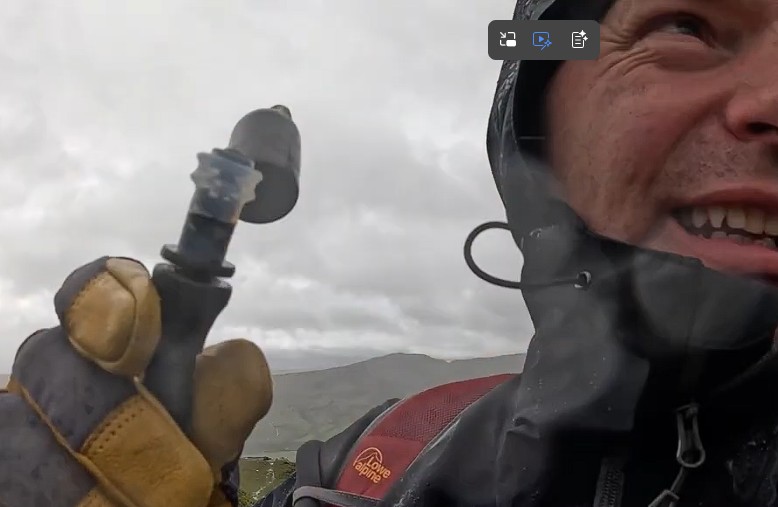
Lightweight, compact, and brilliant for steady sipping. A bladder encourages regular drinking because the hose is always there — no need to stop or unpack. They can be more vulnerable to punctures, but stored well and checked regularly, they’re ideal for most day walks.
A great tip — one shared to me — is to store the bladder in the freezer between walks. It prevents mould, keeps the plastic fresh, and means it’s always ready to go.
Small Flask of Hot Water
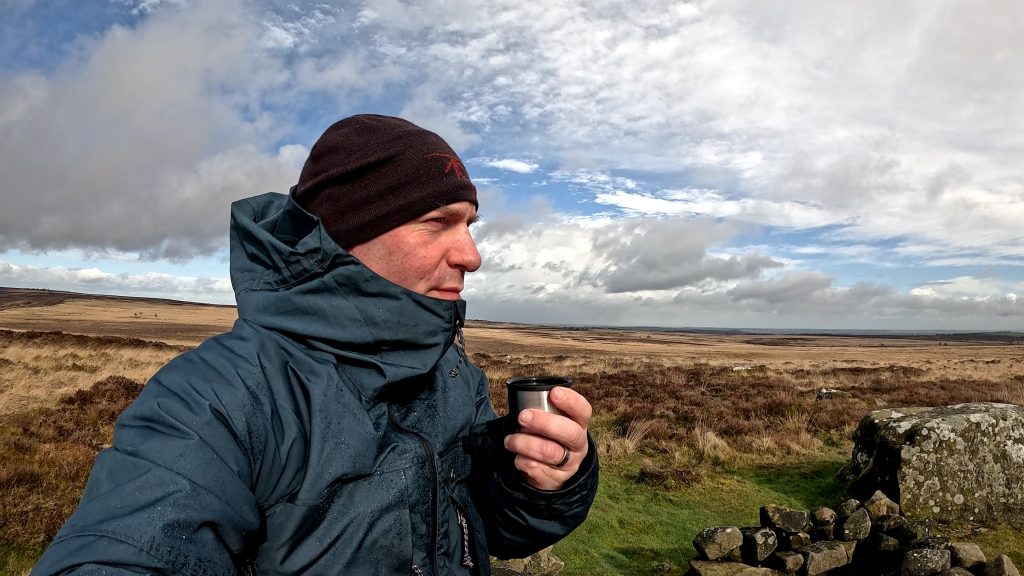
A flask adds weight, but it brings something valuable: warmth without carrying a stove. On cold days, that’s a real boost. A hot drink can lift your mood, warm your hands, and help you stay steady when the wind picks up. It’s a smart trade‑off — a little extra weight for a lot of comfort.
Balancing Both
Many walkers settle on a combination:
- Bladder for steady hydration,
- Flask for warmth and morale.
It’s the same principle as layering: flexibility, comfort, and the ability to adjust early.
Smart Risk Choices
Hydration is part of the wider picture — the same picture that includes weather, terrain, time, and the decisions you make as the day unfolds. Sometimes the smart choice is carrying more water; sometimes it’s carrying a filter instead . The question is always the same: What does this day need?
Good hydration supports good judgement, but it never replaces it. It’s one more tool that helps you stay steady, aware, and ready for whatever the hill decides to throw at you.