
Motivation & Morale — Why We Keep Coming Back to the Peaks
People don’t walk just to cover ground. They walk because something in them needs the hills — space to breathe, time to reset, and the quiet reassurance of a landscape that doesn’t rush or judge.
And the Peak District, more than most places, has that pull: the sanctuary of Chatsworth, the head‑clearing quiet of Ladybower, the sense of escape at Surprise View, or the feeling of a “mini holiday” even on a short visit.
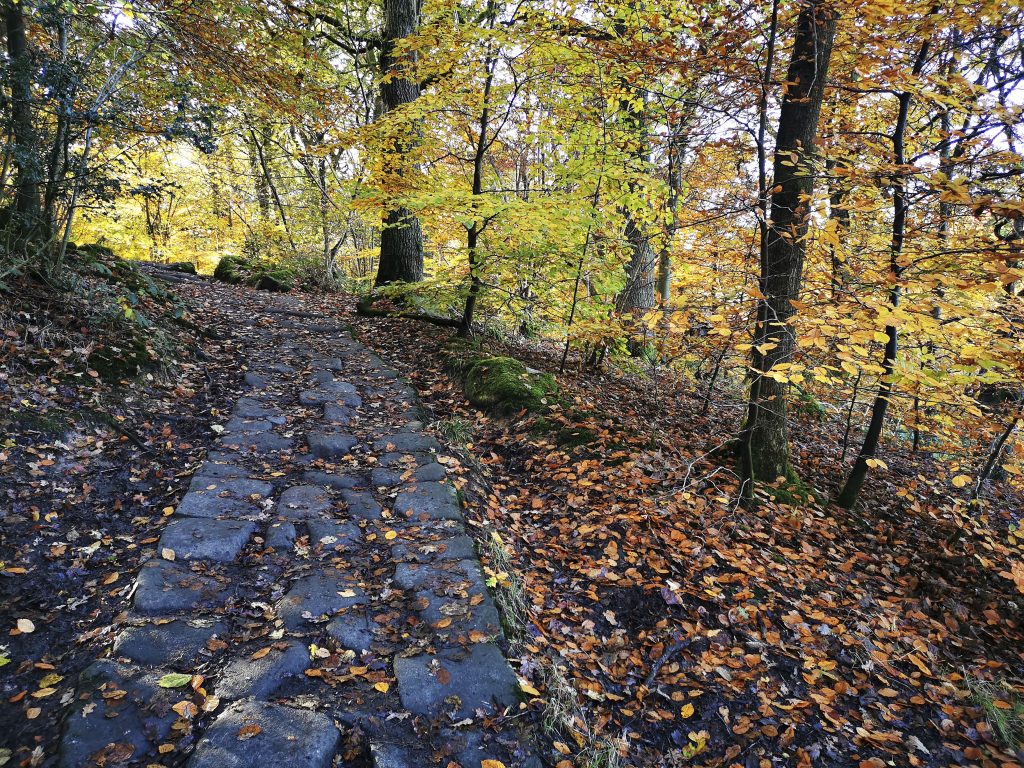
Why We Go Walking
People head into the hills for reasons that are often unspoken but deeply felt:
- To reset the mind — the way anxiety softens when the landscape opens up
- To feel normal again — “It clears my head from everything”
- To reconnect with something steady and unchanging
- To share time with people we care about
- To test ourselves gently — not a race, but a reminder of capability
- To step out of the noise — fresh air, space, and perspective
- And sometimes, simply because someone brought Haribo
Why We Keep Coming Back (Even After a Washout)
Even on the worst days — sideways rain, clagged‑in ridges, boots full of water — people come home with a sense of having done something.
As my dad always said:
“There’s nowt wrong with the weather, you just have the wrong coat.”
That’s Peak District wisdom: the day might be rough, but the experience is still worth having.
People return because:
- shared hardship becomes shared story
- the worst weather often creates the best memories
- the Peaks change every time — light, season, mood
- even a tough day feels restorative afterwards
- the hills give more than they take
The Heart of Morale
Morale isn’t about sunshine or speed — it’s about moments:
- a shared laugh when someone sinks into a bog
- a quiet chat on a ridge
- a flask passed around at a windy summit
- the moment someone realises they’ve done more than they thought they could
These are the things that turn a walk into a memory, and the reason people return to the Peak District again and again.
What Keeps a Group Going When It Gets Tough
People rarely want to give up. They want to feel capable, supported, and part of something.
A leader’s job is to make sure the experience builds confidence rather than eroding it.
People keep going because the walk is helping them grow — not in dramatic, heroic ways, but in small, steady steps that matter.
A good leader shapes the day so that:
- no one feels like the reason the group is slowing down
- no one feels pushed beyond what’s enjoyable
- everyone feels part of the experience, not a passenger
- the challenge feels shared, not endured alone
- the hills feel welcoming, not punishing
When morale dips, people don’t need cheering up — they need belonging, purpose, and a sense that the day is still theirs.
How Leaders Sustain Morale
These quiet, practical actions make a huge difference:
- Set the tone early — “We walk at the pace of the group, not the fastest.”
- Use natural pauses — gates, viewpoints, boundaries — to regroup without fuss.
- Notice the quiet ones — withdrawal is often the first sign of fatigue.
- Share the plan — knowing the next landmark builds confidence.
- Celebrate small wins — a tough climb, a tricky descent, a moment of resilience.
- Keep the day human — stories, laughter, shared snacks, a steady word.
- Normalise difficulty — “This bit is always a pull; we’ll take it steady.”
- Protect the joy — if the weather turns, shorten the route without apology.
Morale isn’t about hype. It’s about care.
Why This Belongs in Accompaniment
Morale is not an add‑on. It’s the difference between:
- a walk that builds confidence
- and a walk that quietly puts someone off the outdoors
Your aim as a leader is simple:
Help people love the hills — even on the days that test them.
That’s what keeps them coming back. That’s what makes the Peak District feel like home. And that’s what makes Accompaniment the most human part of the Compass.