
Silver Birch — The Woodsman’s Tree
A quick story and practical lore from the Peak District.
What This Is
A short, memorable piece you can share on a walk — part tree ID, part old skills, part folklore. Designed to help people see the birch as more than just a common tree.
The 2‑Minute Story: Silver Birch
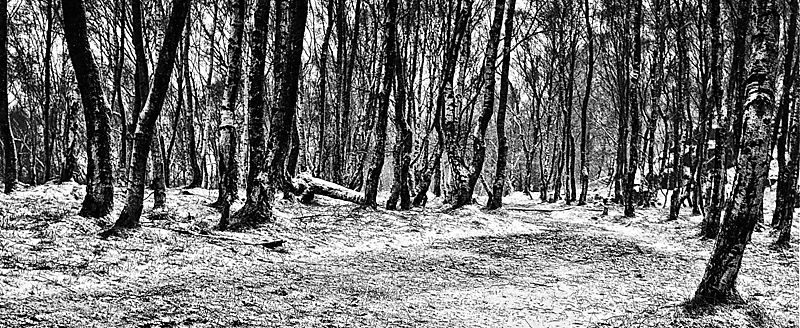
The Silver Birch is one of the most widespread trees in the Peak District. It grows fast on thin, acidic soils, using a shallow root system to take hold where other trees struggle. Light, airy branches and pale peeling bark make it easy to recognise even at a distance.
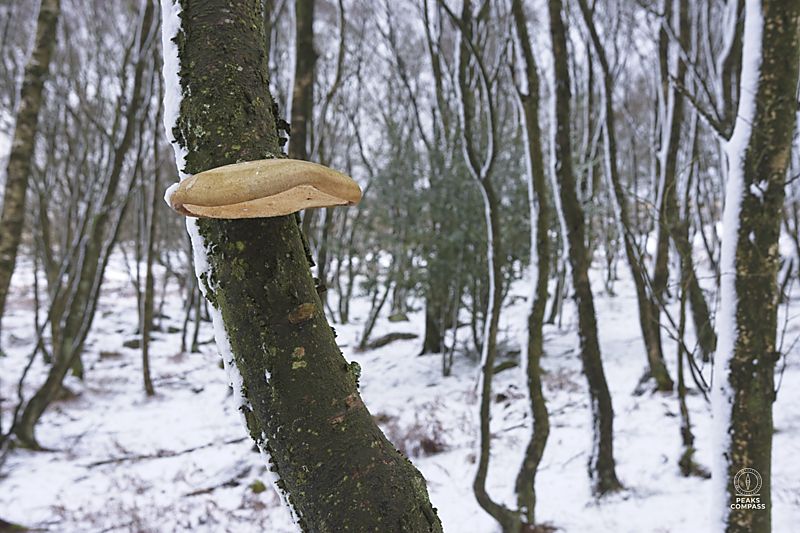
For generations, woodsmen treated the birch as a small “toolkit tree.” A tough bracket fungus — often found on older or dying birches — could be dried and used to sharpen blades, and in a pinch, a thin slice acted like a natural antiseptic plaster.
The bark itself is famously useful. Warm it to soften it, and you can roll it into a simple cup. The papery outer layer catches a spark easily, making it a reliable fire‑starter in wet weather. And at certain times of year, a small cut in the bark releases a trickle of sweet birch sap — sometimes called “woodsman’s tea.”
A common tree with an uncommon amount of story.
Key Points to Share With a Group
- Grows fast on thin, acidic soils across the Peak District
- Recognisable by silvery peeling bark and light, airy crown
- Birch bracket fungus: traditional blade strop and antiseptic dressing
- Bark can be shaped into a cup and used as fire‑lighting material
- Spring sap can be tapped for a small amount of sweet birch drink
How to Deliver It Well (Leadership Skill)
- Let people handle a piece of bark or look for bracket fungus
- Keep the tone practical and curious — it’s a “useful tree” story
- Add a simple question: “If you had to make a fire or a cup right now, what would you use?”
Why This Matters (Environment Pillar)
Knowing a few practical stories about common trees helps people read the landscape with more confidence. It turns a familiar birch into a moment of discovery.