The practical choices you make to stay steady, prepared, and able to respond when the day shifts.
Safety isn’t about owning the lightest or most expensive gear. It’s about carrying what works for you — the equipment that gives you options, the habits that keep you aware, and the small decisions that prevent problems before they grow. Good kit supports good judgement, but it never replaces it.
This section is about the dynamic risk assessments we make outdoors: noticing what’s changing, understanding what that means, and adjusting early. It’s also about the plans we put in place to manage the risks we face — from weather and terrain to hydration, navigation, and time.
Sometimes that means carrying more water. Sometimes it means carrying a filter instead. The question is always the same: What’s the smart risk choice for this day, on this route, with these conditions?
Safety & Kit is the practical side of that thinking — the equipment, the preparation, and the calm decision‑making that help you have a good day on the hill.
Peaks Day Walk
(S)Typical kit list
The Typical Kit List shows the simple, reliable gear carried on most Peaks Compass walks — equipment chosen for comfort, safety, and the freedom to enjoy the day.
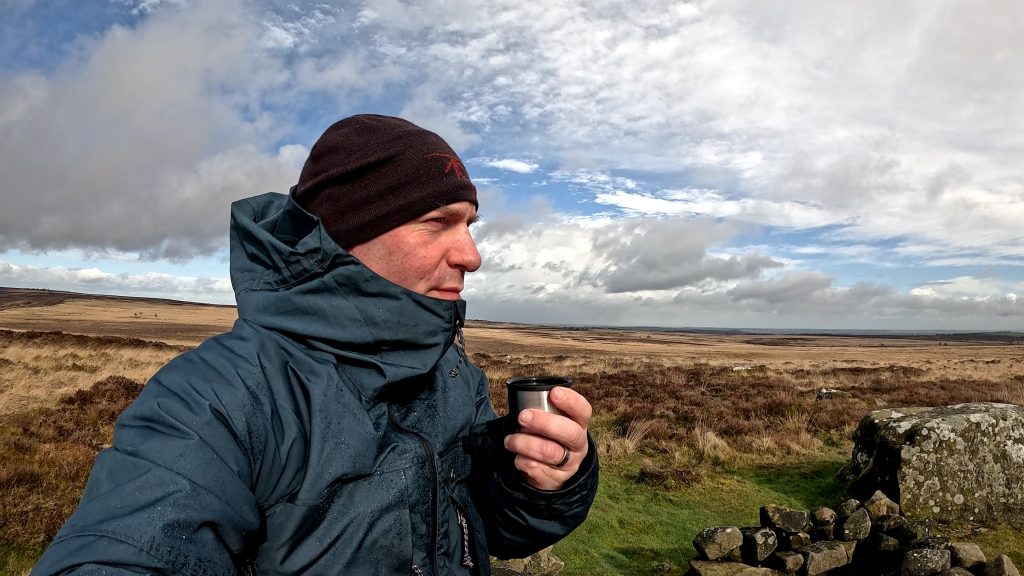
Flask vs Water bladder
(S) Hydration Choices
Staying hydrated means noticing changes early and carrying the system that keeps you steady on the hill.
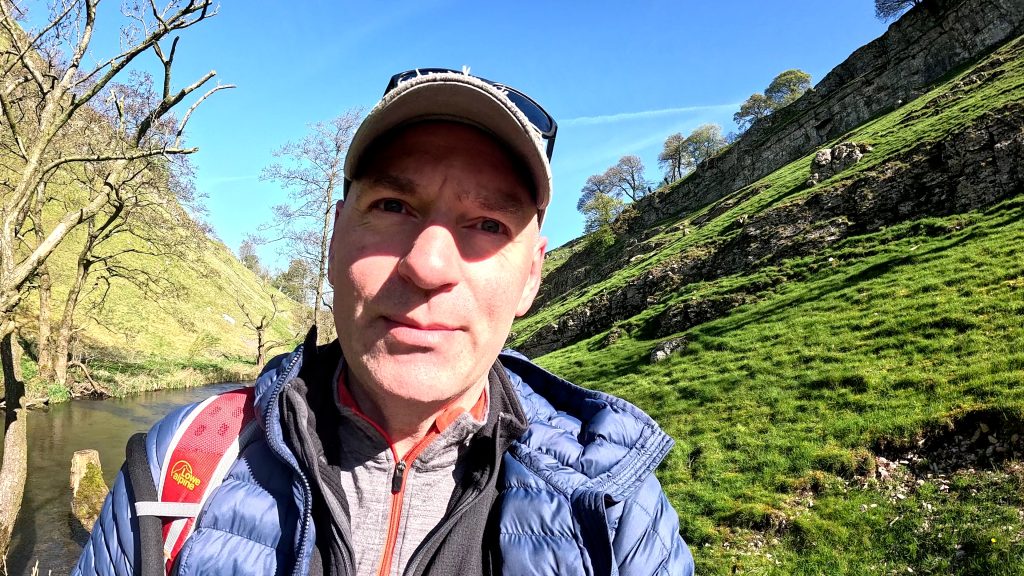
Peaks Day Walk
(S) Layering for the conditions
Good layering keeps you ahead of the conditions — warm when you need it, cool when you don’t, and always ready for the next change on the hill.
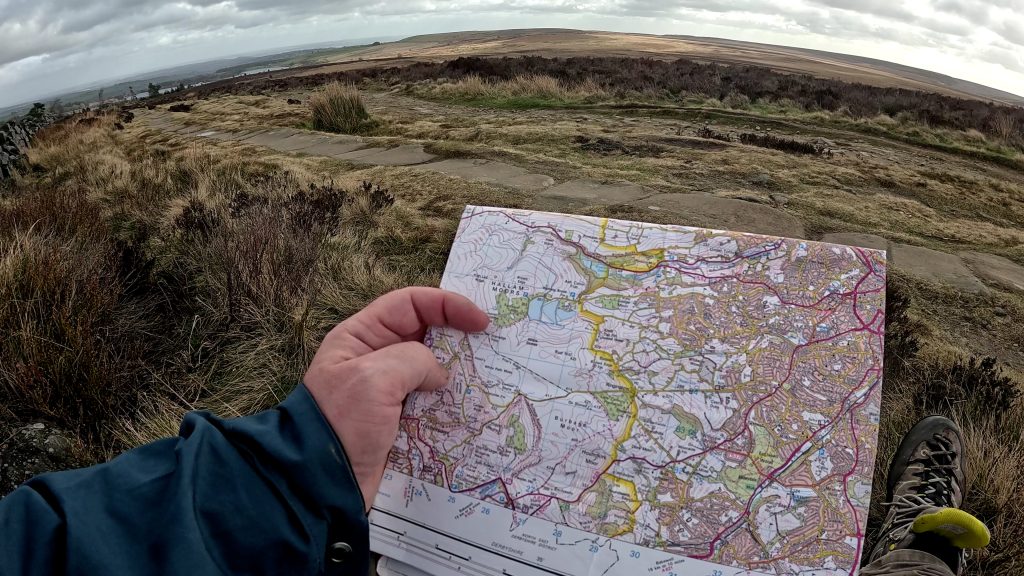
Dynamic vs Planned Risk Assessment
(S) Planning
Once everyone has completed their PEAKS check, take a moment together to confirm the plan still works for the conditions you’re facing.