
Group Types & Their Dynamics
Each group has its own rhythm, dynamics, psychology, and reasons for being out. A good leader reads that early and shapes the day around it.
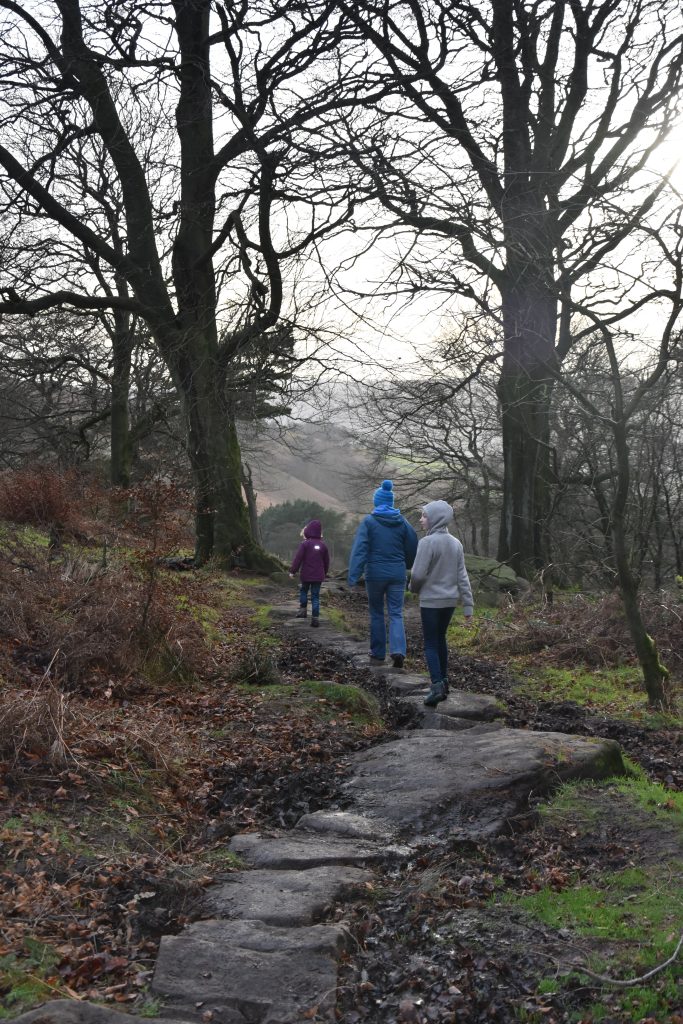
1. Walking with your own children
Dynamics:
- Curiosity-driven, stop–start, easily distracted
- Energy spikes and crashes
- Need for safety boundaries and clear expectations
- Emotional reassurance matters as much as physical pacing
Leader focus:
- Short legs = shorter stride = slower pace
- Frequent micro‑breaks
- Let them lead small sections to build confidence and feel like explorers
- Keep the day playful, not performance-based
- Snacks can act like power fuel
2. Youth groups (DofE, Scouts, school groups)
Dynamics:
- Mixed ability, mixed motivation
- Peer pressure, group identity, occasional bravado
- Some want to lead, some want to hide
- Learning outcomes matter: navigation, teamwork, resilience
Leader focus:
- Rotate responsibilities (navigator, timekeeper, rear marker)
- Keep instructions simple and structured
- Manage risk subtly — they learn best when they feel ownership
- Watch for the quiet ones: they often mask fatigue
3. Friends who “eat hills for breakfast”
Dynamics:
- High fitness, high pace
- Enjoy challenge, efficiency, flow
- Less patience for faff
- Often underestimate how others feel
Leader focus:
- Set expectations early: “This is a group day, not a race”
- Give them meaningful tasks (route choices, micro-nav, scouting ahead within limits)
- Keep them engaged without letting them drag the group
4. Older ramblers / mixed-age adult groups
Dynamics:
- Strong experience but variable pace
- Value conversation, scenery, steady rhythm
- Often excellent at self-pacing
- May have joint issues, balance considerations, or slower recovery
Leader focus:
- Gradients to match expectation ahead of the start, steady pace, predictable breaks
- Clear communication about terrain changes
- Respect their experience — they often know the land well
- Keep the group compact without rushing them
Scenario: Friction Between Fast & Slow Walkers
This is classic group leadership territory — and it’s where a leader earns their stripes.
Let’s build it in three phases:
A. Pre‑Planning & Preparation (where most problems are solved)
1. Set expectations before boots hit the ground
- “We walk at the pace of the slowest.”
- “We stay within sight and sound.”
- “This is a group day, not a personal challenge day.”
2. Choose a route that matches the group’s true ability
- Avoid committing terrain early
- Build in escape routes or plan with options in mind
- Plan natural regroup points
3. Assign roles
- A strong walker as rear marker (counterintuitive but powerful)
- A steady walker at the front to set a sustainable pace
4. Brief the fast walkers privately
- “I’ll need your help keeping the group together today.”
- Give them responsibility, not restriction
B. On the Hill: Managing the Friction in Real Time
The situation:
Two strong walkers are frustrated. Two slower walkers are struggling. The group is stretching. Atmosphere tightening.
Leader actions:
1. Stop the stretch early
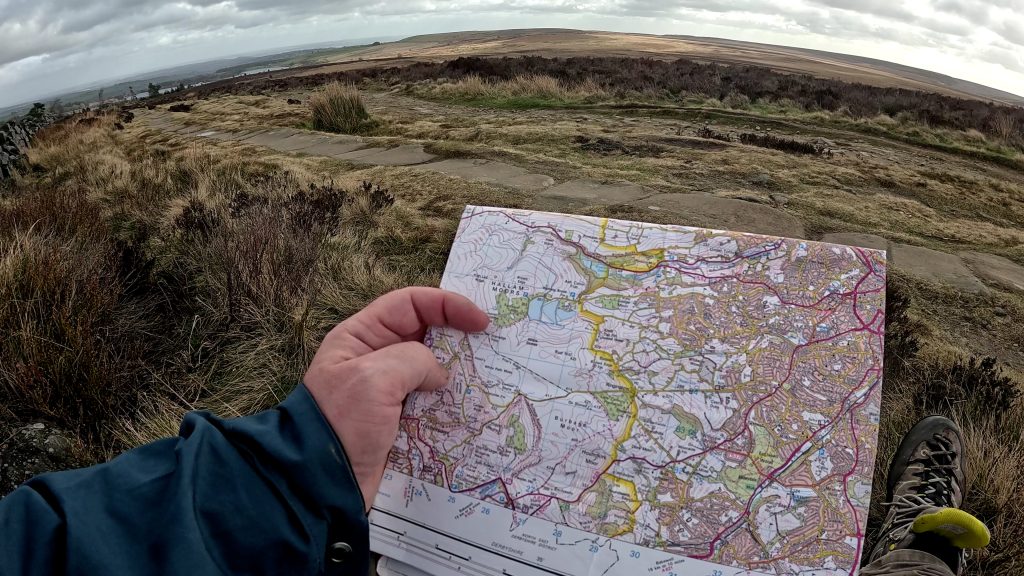
- Bring the group together at a natural pause – “Can we check where we are heading next” use the map as a new focus to draw attention.
- Use the environment: a gate, a viewpoint, a boundary line
2. Reframe the purpose
- “We’re walking as a team today. Let’s keep the group tight so everyone enjoys it.”
3. Redistribute positions
- Put slower walkers near the front
- Put stronger walkers mid-group where they can’t surge
- Use the rear marker to maintain cohesion
4. Give the fast walkers a job
- “Can you two keep an eye on the navigation to the next feature?”
- “Can you check the path ahead for the best line?”
- “Can you manage timings to the next break?”
This channels their energy into leadership, not impatience.
5. Micro-breaks, not long stops
- Keep the group moving but together
- Short rests prevent the slowest from cooling down too much
C. After the Walk: Quiet Debrief
- Praise the group for staying together
- Thank the strong walkers for their help
- Check in with the slower walkers privately
- Reflect on whether the route matched the group
This is how you build trust and return walkers.