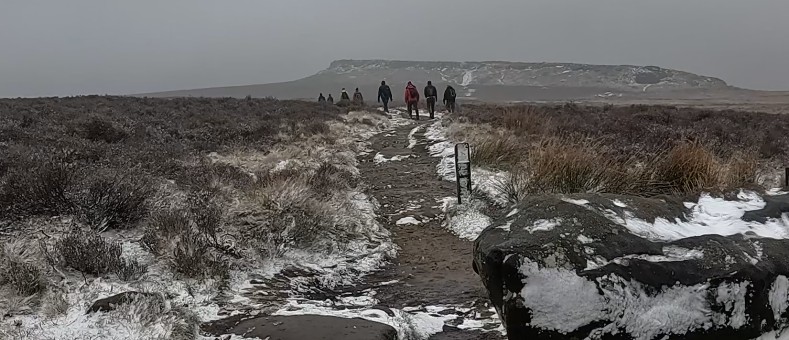
Dynamic vs Planned Risk Assessments
How we prepare before the walk, and how we stay safe during it.
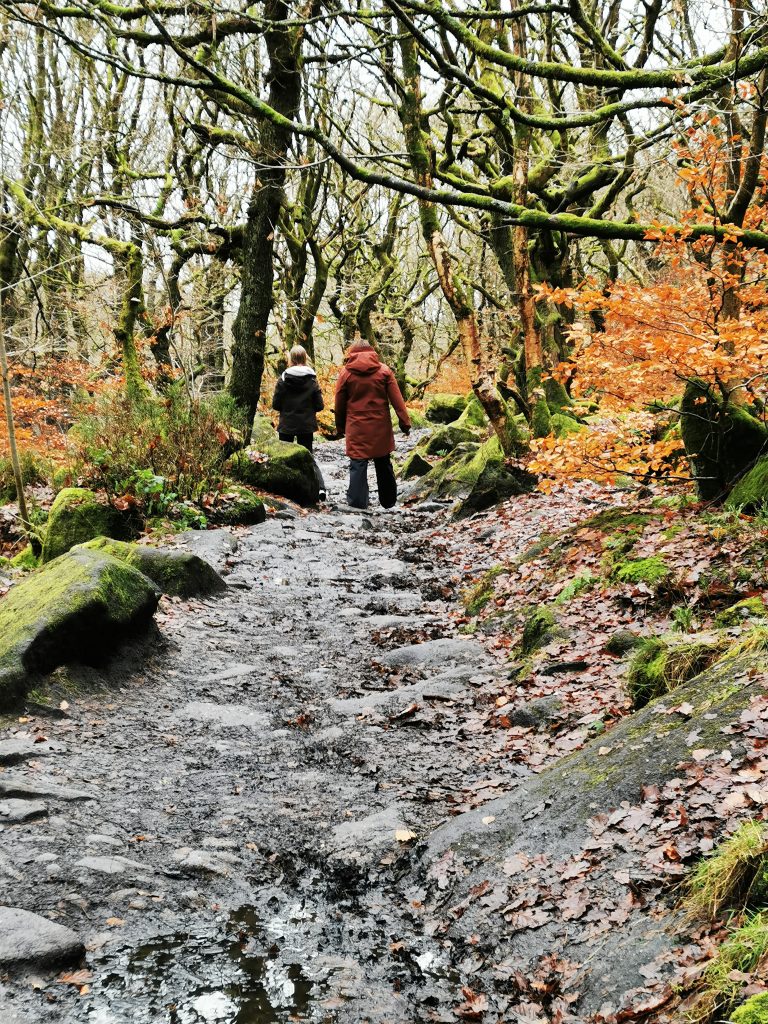
Planned Risk Assessment — the thinking you do before you step out
Before any longer walk, you make deliberate choices:
- The route you intend to follow
- The terrain you’ll cross
- The weather you expect
- The people you’re responsible for
- The kit you’ll need
- The alternatives if things change
In education, tools like Evolve guide this process — not because the form itself keeps people safe, but because the act of thinking it through reduces risk. In the hills, a route card does the same job. In flying, a PLOG and a pre‑flight checklist bring structure to the preparation.
The PEAKS acronym is the walking equivalent: a simple, memorable way to check your personal state, the environment, your group, your knowledge, and your safety kit before you go.
Planned assessments give you a baseline: “This is what I expect today to look like.”
Dynamic Risk Assessment — the decisions you make when the day changes
Once you’re out, the world stops caring about your plan.
Weather shifts. People get tired. Equipment fails. Paths disappear. Time runs away.
This is where dynamic risk assessment comes in — the calm, moment‑to‑moment judgement that keeps you safe when reality doesn’t match the plan.
Dynamic assessment is about noticing and responding early:
- A cloud base dropping faster than forecast
- A companion slowing down
- A stream crossing running higher than expected
- A navigation error that puts you behind schedule
- A boot rubbing that could become a blister
It’s not dramatic. It’s not a rescue mindset. It’s simply paying attention, understanding what it means, and adjusting before small problems become big ones.
How the two work together
Planned risk assessment gives you clarity. Dynamic risk assessment gives you options.
Together they create a safe, confident day on the hill.
- The plan sets your expectations.
- The dynamic decisions keep you aligned with reality.
- PEAKS sits between them — a bridge from preparation to awareness.
Summary
Planned Risk Assessment The thinking you do before the walk. Route cards, weather checks, kit choices, timings, alternatives. A structured process that reduces risk by preparing your mind.
Dynamic Risk Assessment The decisions you make during the walk. Responding to weather, people, terrain, time, and unexpected events. Calm, early adjustments that keep the day safe and enjoyable.
PEAKS Your pre‑walk checklist and your on‑walk awareness tool. A simple structure that supports both planned preparedness and dynamic judgement.
Scenario Moment:
Scenario: “The Valley Wind Shift”
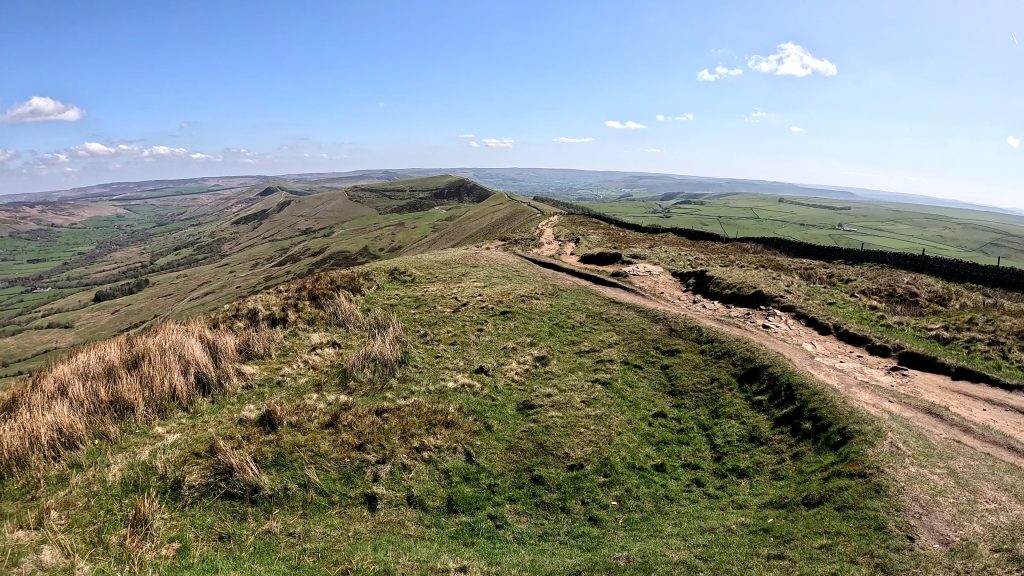
Your team is planning a walk from Hope up to Mam Tor and along the ridge. Everyone has completed their individual PEAKS check:
- People feel ready
- Weather looks manageable
- Group is balanced
- Route is known
- Kit is appropriate
But 30 minutes before setting off, the wind in the valley suddenly picks up — stronger than forecast. Cloud is starting to form on the ridge.
This is where the team dynamic check comes in.
Team Questions (Not a PEAKS repeat — a shared decision moment)
- What has changed since we planned this route? (Wind strength, visibility, group confidence, group health)
- Which parts of our plan are now most affected? (The ridge section, timings, exposure)
- What early warning signs will we watch for? (People leaning into wind, cold hands, blown‑off balance)
- Where will we reassess? (At Hollins Cross, before committing to the ridge)
- What are our safe alternatives? (Drop to the lower path, shorten the loop, return to Edale)
- Who is watching what? (Navigator, timekeeper, wellbeing checker, weather spotter)
- What is our “stop and think” trigger today? (If wind increases again, if visibility drops, if pace slows)
A note on route cards
If you have planned for the walk with a route card – It is absolutely fine — and good practice — to scribble changes onto your route card after this conversation. Updating the plan to reflect real conditions is exactly what dynamic risk assessment looks like.
This is not a PEAKS check — it’s the team’s shared plan for dynamic decision‑making.