
Juncus (Rushes): A Walker’s Quiet Guide to Wet Ground
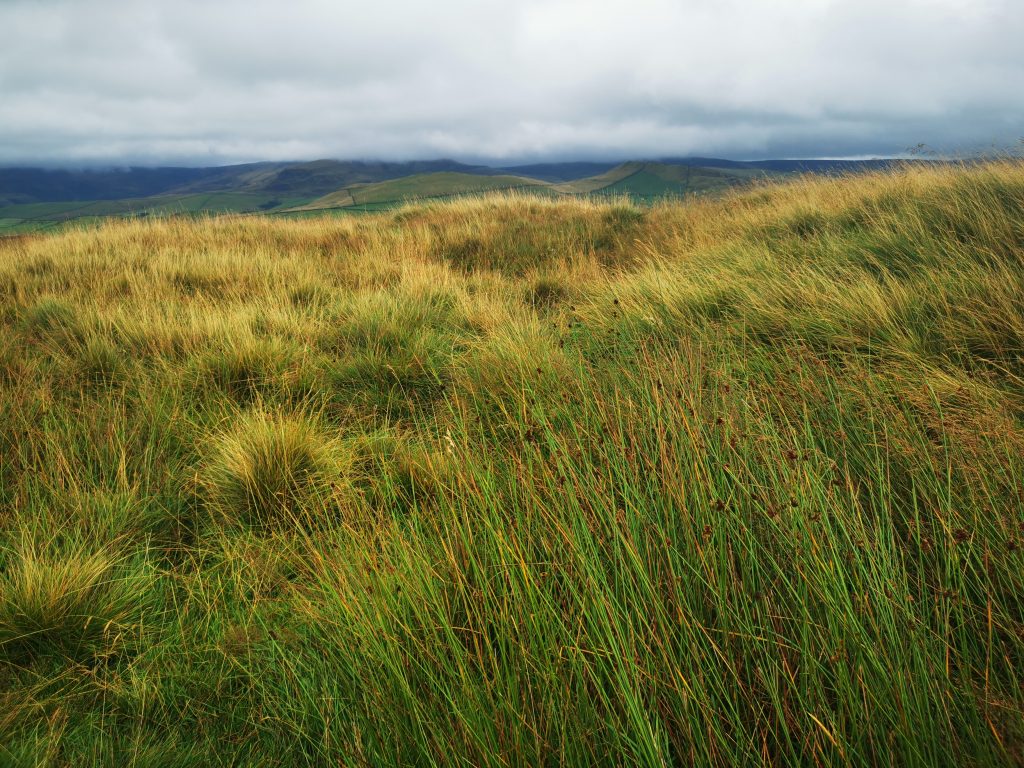
Out on the moors and in the low, marshy valleys of the Peak District, one plant quietly gives away more about the land than almost anything else: rushes, members of the Juncus family. They look a bit like coarse grass at first glance, but once you learn their habits, they become one of the most useful natural clues for reading the ground ahead.
What Rushes Are
Rushes are tough, upright plants with smooth, round stems and a spongy inner core. They’re built for waterlogged soils, thriving where the ground stays wet for long periods. You’ll often see them forming tight, dense clumps that stand out from the finer grasses around them.
Where rushes grow, the soil is usually:
- poorly drained
- saturated
- bog‑prone
- or fed by hidden seepage
They’re nature’s way of saying: “Careful — this bit stays wet.”
Why Walkers Should Pay Attention
For anyone travelling on foot, rushes are a brilliant natural warning sign.
- Rushes = wet ground. If you see them spreading across a slope or valley floor, expect soft patches underfoot.
- Clumps can act as stepping points. Their dense bases can sometimes give you a firmer foothold when crossing short boggy sections.
- They reveal hidden water movement. Rushes often trace shallow channels, springs, or seep lines that aren’t obvious at first glance.
Once you start noticing them, you’ll find they’re one of the easiest ways to judge whether a route will stay dry or turn into a boot‑soaker.
Where You’ll Find Them
Rushes favour:
- moorland hollows
- valley bottoms
- marsh edges
- flat, compacted ground that holds water
- places where springs break through the surface
In the Peak District, they’re common across both upland moors and lowland meadows — anywhere the soil stays damp.
A Plant With a Long Human Story
Although humble, rushes have been used by people for centuries:
- Rushlights: simple home‑made candles made by soaking rush pith in fat or oil.
- Floor coverings and mats: rushes were woven into mats and coverings long before modern flooring.
- Binding and weaving: their flexibility made them useful for tying, basketry, and simple craftwork.
- Water‑friendly planting: some species help stabilise wet soils and support beneficial bacteria in natural filtration systems.
They’ve always been a plant of practical, everyday usefulness.
A Simple Rule for the Hills
If you remember one thing:
Where rushes grow, the ground is rarely dry.
They’re one of the easiest natural signs to read, and once you tune into them, they’ll quietly guide your route choices across moor and meadow.
Episode Link: Juncus on the Moor (Rushes)
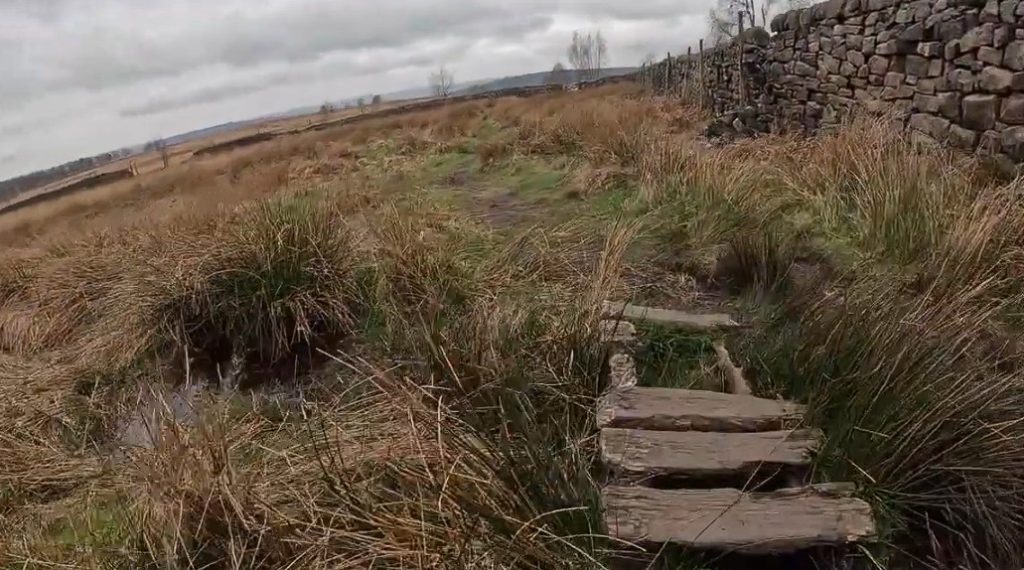
At 4:55 in Stand Wood – Beeley Loop (Episode 6), we pass through a stretch of dense, grass‑like Juncus — (Note i miss-called it a ‘Sedge’). In the episode, I point out how these tight clumps are a reliable sign of boggy, saturated ground beneath the surface.
Rushes grow where the soil stays wet, and their dense tussocks can sometimes offer a firmer step when crossing short marshy patches. They’re one of the simplest natural clues for reading moorland terrain.
🎥 Watch the moment here: Stand Wood – Beeley Loop | Episode 6 (Starts at 4m55)