
Waterproof Outer Layers
Your shield against wind, rain and the unpredictable moods of the Peak District.
A waterproof jacket isn’t about warmth — it’s about protection. Its job is to keep the weather out, block the wind, and preserve the insulation layers underneath so you stay warm. Over the years, waterproofs have evolved dramatically. If you grew up in the 70s/80s, you’ll remember the bright orange anoraks, green nylon coated cagoules and ponchos that did one thing: stop rain. Today’s jackets are technical systems built to manage moisture, resist abrasion, and keep you comfortable across long days in demanding conditions.
Why Waterproofs Matter in the Peaks
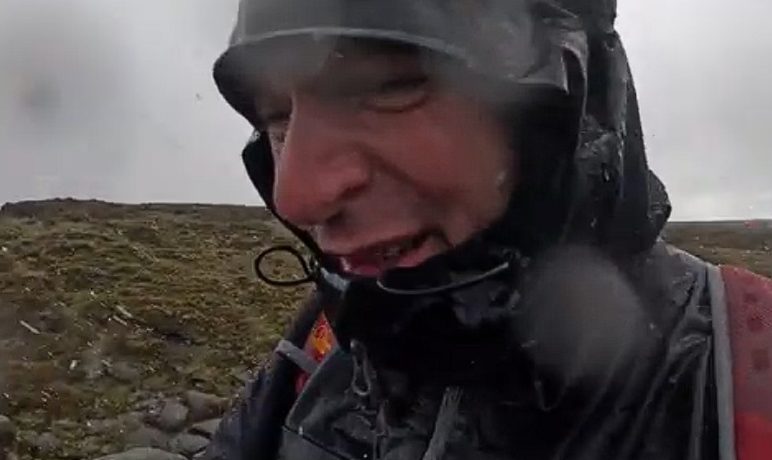
The Peak District is notorious for fast‑changing weather. A gentle breeze in the White Peak can turn into horizontal rain on Kinder Scout within minutes. Waterproofs serve two essential functions:
- Keep water out — rain, sleet, snow and blown spray.
- Block wind — preventing rapid heat loss.
They are not designed to be warm. Instead, they trap a thin layer of air and protect your mid‑layers so they can do their job.
How Modern Waterproofs Work
The biggest challenge isn’t rain — it’s moisture inside your jacket. Sweat condenses, leaving you soaked even when the jacket hasn’t leaked. Modern designs tackle this in two ways:
- Breathable membranes Materials like GORE‑TEX, eVent, Pertex Shield and others allow water vapour to escape while keeping rain out. GORE‑TEX itself comes in different weights and constructions — 2‑layer, 2.5‑layer, 3‑layer — each balancing durability and breathability.
- Mechanical venting Pit zips, mesh‑lined pockets, venting chest pockets and two‑way front zips help dump heat quickly when you’re working hard.
The art is balancing breathability, robustness, and weight. More durable jackets tend to be heavier. Ultralight jackets ‘breathe’ well but can tear more easily on gritstone edges or when carrying a heavy pack.
Materials & Construction
Different fabrics solve different problems:
- Ripstop nylon — woven to prevent small tears spreading.
- GORE‑TEX (various weights) — excellent waterproofing and breathability; heavier versions are more durable.
- Poly‑cottons / canvas (e.g., Fjällräven G‑1000) — highly durable, repairable, and wax‑treatable; less breathable when fully waxed.
- Proprietary membranes — many brands now use their own waterproof/breathable systems with varying performance.
Seam placement matters too. Good jackets avoid seams in high‑wear areas like the tops of shoulders where rucksack straps rub.
Looking After Your Waterproof
A waterproof only works if it’s maintained. Dirt, sweat salts and oils clog the membrane and reduce breathability.
Maintenance essentials:
- Regular washing — using a technical wash (not standard detergent).
- Re‑proofing — restoring the DWR (Durable Water Repellent) coating so water beads off.
- Drying properly — often with gentle heat to reactivate the DWR.
A neglected jacket feels like it’s “leaking” or ‘wet-out’ long before it actually fails.
Choosing the Right Jacket for the Peaks
Different parts of the Peak District demand different levels of protection.
White Peak (shorter, lower‑level walks)
- Close to civilisation, pubs, and the car.
- Lighter jackets are usually fine.
- Breathability often matters more than bombproof durability.
Dark Peak (upland moor, exposed ridges, autumn/winter)
- Remote, windy, and often brutally wet.
- A reliable, fully waterproof, windproof shell is essential.
- Look for:
- Wired hood/peak
- Large map pocket accessible with a rucksack
- Robust 3‑layer construction
- Pit zips
- Minimal seams in high‑wear zones
No jacket is completely impervious. In horizontal rain, peat bogs, and long slogs across saturated moorland, water will eventually find its way in through cuffs, hems and hood openings. The goal is managing the wet, not eliminating it.
A Personal Note from the Hills
Over the years I’ve tried many types of waterproof. The one I reach for most often is a 3‑layer GORE‑TEX shell — slightly heavier, but robust enough for year‑round Peak District use. The wired hood keeps rain off my eyes, the pit zips dump heat on climbs, and the map pocket sits where I can open it without fighting rucksack straps. It’s not the cheapest option, but it’s the one that lasts.
Whatever you buy, it will eventually wear out. The trick is finding the sweet spot between price, durability, and features for the kind of walking you actually do. If when buying it provides information about hydrostatic head/breathability and taped seams it is probably suitable for the hills as opposed to a jacket simply listed as weather/water resistant. Thankfully, reviews are everywhere now, so researching the right jacket is easier than ever.
PEAKS Compass Takeaway
A waterproof outer layer is your weather armour. Choose it based on the terrain, the season, and how far you’ll be from shelter. Along with your boots it is probably the most significant financial investment in hiking. Maintain it well, trust it, and it will carry you through the wild moods of the Peaks.